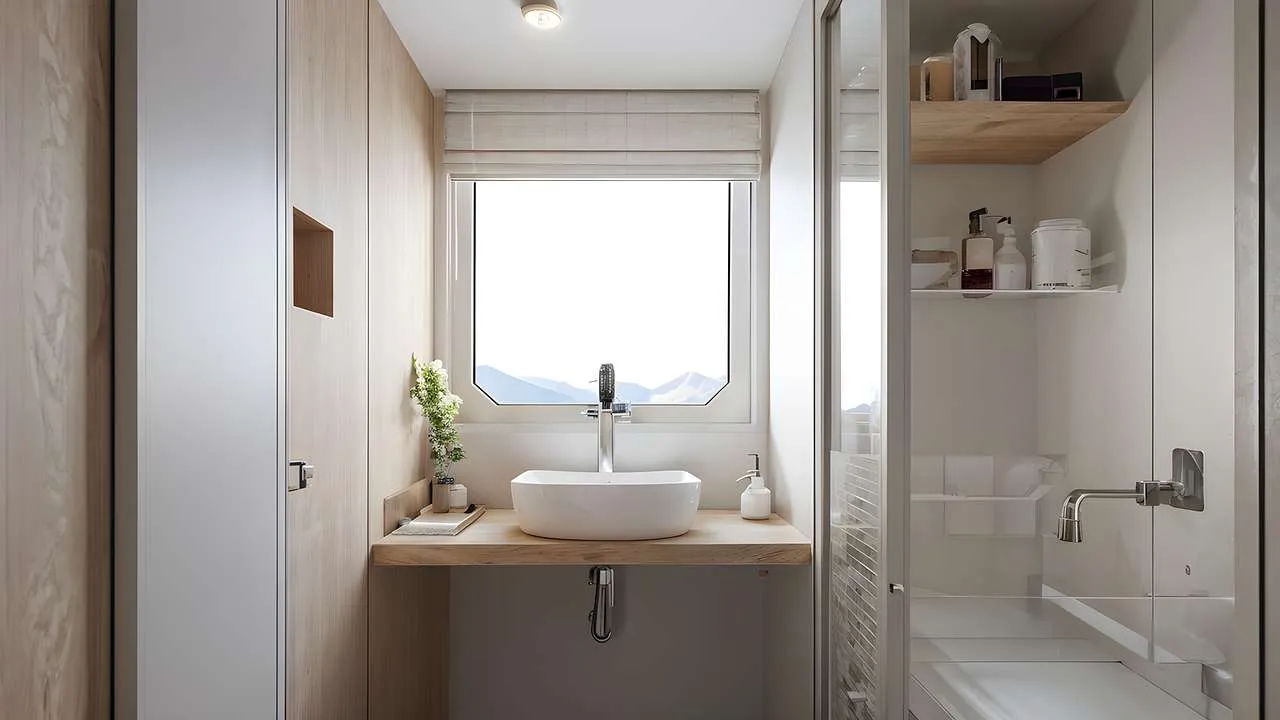
Small bathrooms present a design challenge that many homes face, but with the right strategy they can feel spacious, organized, and comfortable. This article provides practical, expertly grounded small bathroom ideas focused on layout, storage, finishes, and fixtures. The goal is to help you enhance usability, improve lighting, and create a calm, clutter-free environment that remains stylish and durable over time.
Smart Layouts for Small Bathrooms
Maximizing the usable area starts with an efficient layout. In a compact bath, prioritize a linear flow that keeps traffic away from fixtures. If possible, consider a pocket door or a sliding barn door to reclaim swing space. Position the toilet and vanity on the same wall or in a straight line to preserve floor area for a shower or tub. For bathrooms around 5x8 feet or smaller, a shallow vanity, a compact toilet, and a corner or linear shower can prevent bottlenecks and make cleaning easier.
Door swing and entry zones
- Install a pocket or sliding door to avoid door swing encroaching on the main zone.
- Keep the entry open to the shower entry so movement is intuitive.
- Choose a compact door hardware that does not protrude into the room.
Vertical thinking and scale
- Opt for shallow vanity depths around 16-20 inches to gain floor space.
- Use wall mounted or corner fixtures to free visual floor area.
- Align storage with wall height by installing tall cabinets that go to the ceiling.
Storage Solutions That Free Up Space
Storage is the backbone of small bathroom ideas. The aim is to keep surfaces decluttered while housing essentials. Consider tall, narrow cabinets that reach the ceiling, recessed niches in the shower, and mirrored cabinets that multiply light and space perception. Floating vanities create an airy feel by exposing more floor surface, which visually expands the room. Add drawer organizers, shelves above the toilet, and magnetic strips for small metal items to reduce countertop clutter.
Built-in niches and shelves
Shower niches and recessed shelving minimize bulky caddies and keep daily items within easy reach. Use moisture resistant materials and match the niche edges to the tile grout for a seamless look.
Floating vanity and smart hardware
A wall mounted or floating vanity provides a sense of openness and easier cleaning underneath. Choose integrated handles and soft close hardware to maintain a clean, modern line throughout the space.
Color, Material, and Lighting Tricks
Color choices and surface materials have a big impact on perceived space. Light, neutral palettes with consistent tones reflect more light and read as larger. Large format tiles reduce grout lines and create a continuous surface. A well placed mirror or mirrored cabinet doubles light and depth, while a frameless glass shower visually expands the enclosure. For durability, select moisture resistant paints and tiling in a single color family with a subtle accent to avoid a busy look.
Mirrors and reflectivity
Install a large mirror or a mirrored medicine cabinet to bounce light across the room. Ensure anti-fog features and consider a mirror that extends to the ceiling for maximum brightness and depth.
Lighting layering
Layer lights for function and mood: a ceiling light for general illumination, task lighting around the vanity, and subtle accents such as LED strips under the vanity or in niches. Aim for a color temperature around 2700K to 3000K for warm, flattering light that remains easy on the eyes in the morning and evening.
Fixtures and Fittings for Small Spaces
Choose compact, high efficiency fixtures designed for small rooms. Wall hung toilets and pedestal or wall mounted sinks reduce footprint. Consider curved or rounded shower doors to minimize corners and improve movement. A frameless or minimally framed glass enclosure keeps lines clean and makes the space feel larger. Pick finishes that reflect light, such as polished chrome or brushed nickel, and use moisture resistant materials throughout.
Choosing compact fixtures
Prioritize wall mounted or floating units to maximize visible floor area. For showers, a corner or alcove design with a clear glass panel helps open up the space. If you prefer a tub, look for a compact short model paired with a slim pedestal or under-mill storage option.
Comparison: Key Strategies at a Glance
| Strategy | Best For | Pros | Cons |
|---|---|---|---|
| Floating vanity with tall storage | Maximizing floor clearance | Feels larger; abundant storage | Higher cost and potential installation complexity |
| Full height mirrors and glass enclosure | Light and space perception | Bright, open feel; reduces visual clutter | Moisture management required |
| Pocket or sliding door | Entry without swing space | No swing space use; cleaner lines | More complex install and potential seal issues |
| Neutral color palette | Visual expansion | Timeless and easy to accessorize | Requires regular maintenance to stay fresh |
These strategies align with professional design practice and practical testing in real homes. When planning, measure carefully, create a simple 2D sketch, and compare options that maximize storage with minimal path interference. Choosing moisture resistant materials and durable finishes will extend the life of your small bathroom ideas, even with daily use and frequent cleaning.
Conclusion, by combining smart layout choices, efficient storage, thoughtful color and lighting, and compact fixtures, a small bathroom can feel surprisingly generous. You gain function without sacrificing style, and every square inch works for you rather than against you. With careful planning and quality materials, your small bathroom ideas become a lasting upgrade that improves daily life and home value.