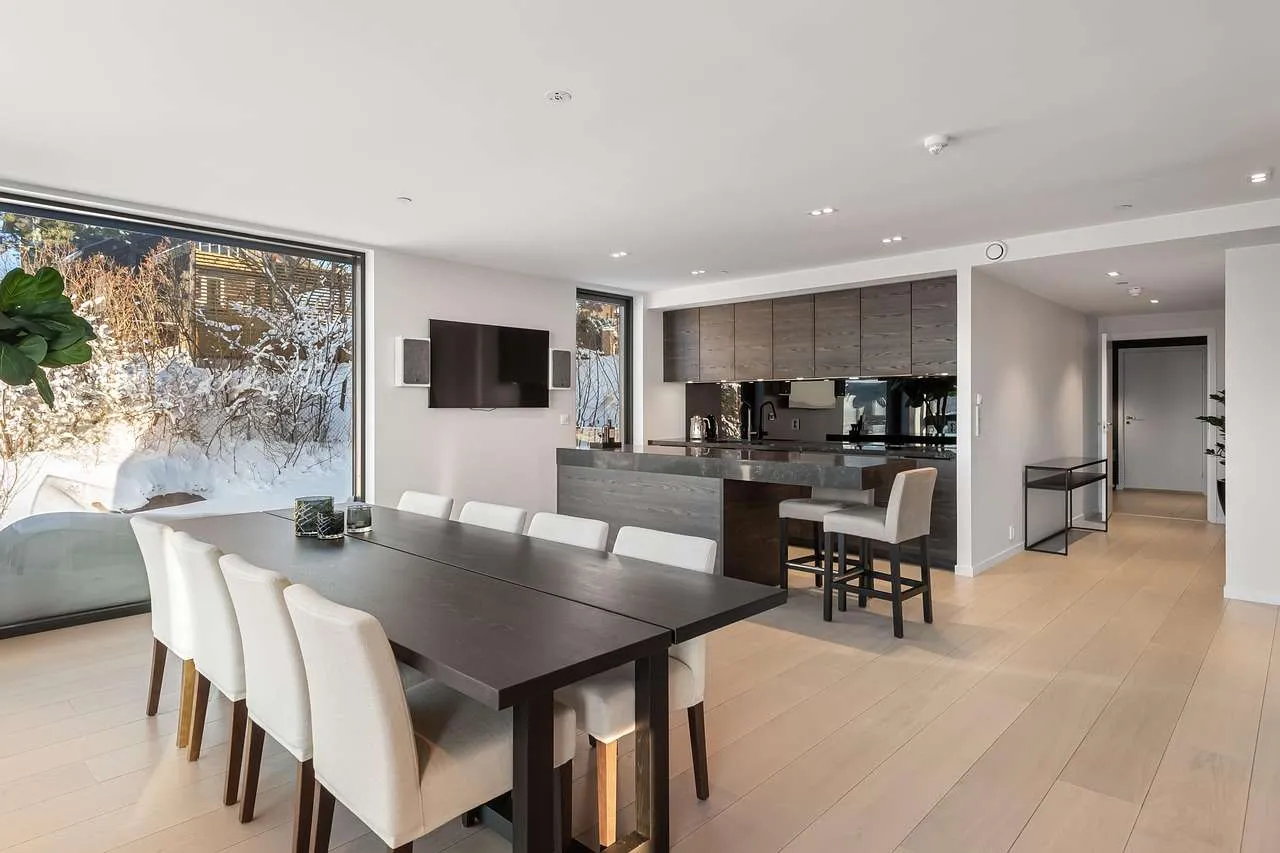
What Is Home Window Tinting?
Home window tinting involves applying a thin film to your residential windows to enhance privacy, reduce glare, and improve energy efficiency. This process uses specially designed films that block a significant portion of ultraviolet (UV) rays and heat from entering your living spaces without compromising natural light.
Key Benefits of Home Window Tinting
- Energy Efficiency: Window films reduce heat gain during the summer and heat loss during the winter, which leads to lower energy bills.
- UV Protection: Tinting blocks up to 99% of harmful UV rays, protecting your skin and preventing furniture and flooring from fading.
- Glare Reduction: It decreases the glare on televisions and computer screens, enhancing indoor comfort.
- Privacy and Security: Certain films provide daytime privacy and can even reinforce window strength to prevent shattering.
- Enhanced Aesthetic: Available in various shades and finishes, window tinting can elevate your home's look.
Types of Home Window Tinting Films
Choosing the right window tinting film depends on your specific needs, climate, and budget. The main types include:
| Type | Description | Advantages | Ideal Use |
|---|---|---|---|
| Dyed Films | Films containing dye to absorb sunlight and reduce glare. | Affordable, reduce glare effectively. | Best for privacy and glare reduction in mild climates. |
| Metalized Films | Films with tiny metal particles that reflect heat and UV rays. | Excellent heat rejection, durable. | Great for hot climates needing maximum heat control. |
| Hybrid Films | Combination of dyed and metalized layers. | Balances heat rejection and reduced interference with electronics. | Homes in variable climates seeking balanced benefits. |
| Ceramic Films | Non-metallic films with nano-ceramic technology for superior performance. | High heat and UV rejection, clear appearance, non-reflective. | Premium choice for clarity and high efficiency. |
| Security Films | Thicker films designed to hold glass shards in place if broken. | Enhances window security and safety. | Homes in high-risk areas or with safety concerns. |
How Is Home Window Tinting Installed?
Professional installation is recommended for optimal results. The process includes:
- Cleaning the glass: All dirt, dust, and residues are removed to ensure a smooth application.
- Measuring and cutting: The film is custom-cut to fit each window precisely.
- Applying the film: The adhesive side is placed on the inside surface of the glass.
- Squeegeeing out bubbles: Ensures a smooth, bubble-free finish.
- Drying and curing: Typically takes a few days to fully adhere.
Factors to Consider When Choosing Home Window Tinting
- Local Climate: Hotter climates benefit more from films with higher heat rejection ratings.
- Window Orientation: South- and west-facing windows usually receive more sunlight and may need higher-performing films.
- Regulations: Check with local building codes or homeowner associations for restrictions on tint types or reflectivity.
- Budget: Films range from affordable dyed versions to premium ceramic ones.
- Desired Benefits: Focus on energy savings, privacy, security, or aesthetics based on your priorities.
Comparison Table: Popular Window Tint Types
| Feature | Dyed | Metalized | Hybrid | Ceramic |
|---|---|---|---|---|
| Heat Rejection | Moderate | High | High | Very High |
| UV Block | Up to 99% | Up to 99% | Up to 99% | Up to 99% |
| Glare Reduction | Good | Good | Good | Excellent |
| Durability | Moderate | High | High | Very High |
| Appearance | Slight tint | Reflective | Low Reflective | Clear/Neutral |
| Price | Low | Moderate | Moderate | High |
Maintaining Your Home Window Tint
Proper maintenance extends the life and effectiveness of your window tint. Follow these tips:
- Wait at least 30 days after installation before cleaning.
- Use a soft cloth or sponge with mild soapy water to clean the tinted surface.
- Avoid abrasive materials or ammonia-based cleaners that can damage the film.
- Inspect periodically for bubbling or peeling and consult a professional if issues arise.
FAQs About Home Window Tinting
Q1: Does window tinting reduce natural light?
Window tinting reduces glare but maintains ample natural light, especially with lighter tints and ceramic films.
Q2: Can I install window tint myself?
DIY kits are available, but professional installation ensures durability and flawless results.
Q3: How long does tint last?
Most high-quality films last between 10 to 20 years when properly maintained.
Conclusion
Summary: Home window tinting offers multiple benefits, including energy savings, UV protection, glare reduction, privacy enhancement, and improved home aesthetics. Selecting the right type of film depends on your climate, budget, and desired benefits. Professional installation and proper maintenance are crucial for maximizing the performance and lifespan of the tint. Incorporate home window tinting to increase comfort, protect your interiors, and reduce energy costs, making it a smart investment for any homeowner.